
Top 3 Football World Cup 2026 Experiences
Top 3 Football World Cup 2026 Experiences
Football World Cup: What 3 Host Cities Taught Me
FIFA World Cup 2026 is the expanded 48-team tournament hosted by Canada, Mexico, and the United States, with 104 matches across 16 venues from June 11 to July 19, 2026. World Cup Hub tracks the competition through match predictions, team tactics, player statistics, and daily tournament analysis for fans and disciplined bettors. Los Angeles is the strongest overall experience because SoFi Stadium will host eight matches, while the wider region plans 39 days of fan activity, including FIFA Fan Festival events at the LA Memorial Coliseum. The tournament also introduces a dangerous planning problem: distances between venues can turn a simple match trip into a costly logistical exercise. Use the host-city ranking below, verify official schedules before spending money, and treat every prediction as probability—not certainty.

Photo by Aleksandr Neplokhov on Pexels
The 2026 football world cup is not merely a longer version of Qatar 2022 or Russia 2018. FIFA has increased the field from 32 to 48 teams, added a new tournament structure, and spread matches across three countries covering enormous distances. That creates more fixtures, more tactical variation, and more opportunities for mispricing in the betting market—but it also creates more ways for casual followers to make expensive mistakes. You will look at a headline match, ignore travel fatigue, and then blame the result on “bad luck.” Do not do that.
Want a more disciplined starting point? Review World Cup Hub’s daily tournament analysis before forming an opinion.
The Top 3 Football World Cup 2026 Experiences at a Glance
The ranking below evaluates practical value rather than empty “official” excitement. Los Angeles ranks first for match volume and event infrastructure, Mexico City ranks second for atmosphere and historic importance, while Toronto ranks third for value because its matchday options can suit visitors seeking a concentrated North American experience.
- Los Angeles, United States — best overall: Eight matches, SoFi Stadium, the LA Memorial Coliseum, and a 39-day regional celebration create the broadest package.
- Mexico City, Mexico — best for atmosphere: Estadio Azteca offers unmatched World Cup history and a culturally intense football setting.
- Toronto, Canada — best value: A compact city experience may reduce internal transport costs compared with cross-country tournament hopping.
The obvious warning is that “best” depends on your objective. A bettor following Brazil, France, or Argentina should prioritize confirmed match locations, kickoff times, squad rotation, and rest intervals instead of choosing a city because social media calls it iconic. Similarly, a family should calculate hotel rates, airport transfers, stadium restrictions, and fan-zone access before buying anything. FIFA’s official World Cup 2026 information remains the authority for competition details, while local organizers may publish separate transport and venue guidance.
To compare match locations with travel risk, use our [Internal Link: World Cup 2026 schedule and venue guide] before committing funds.
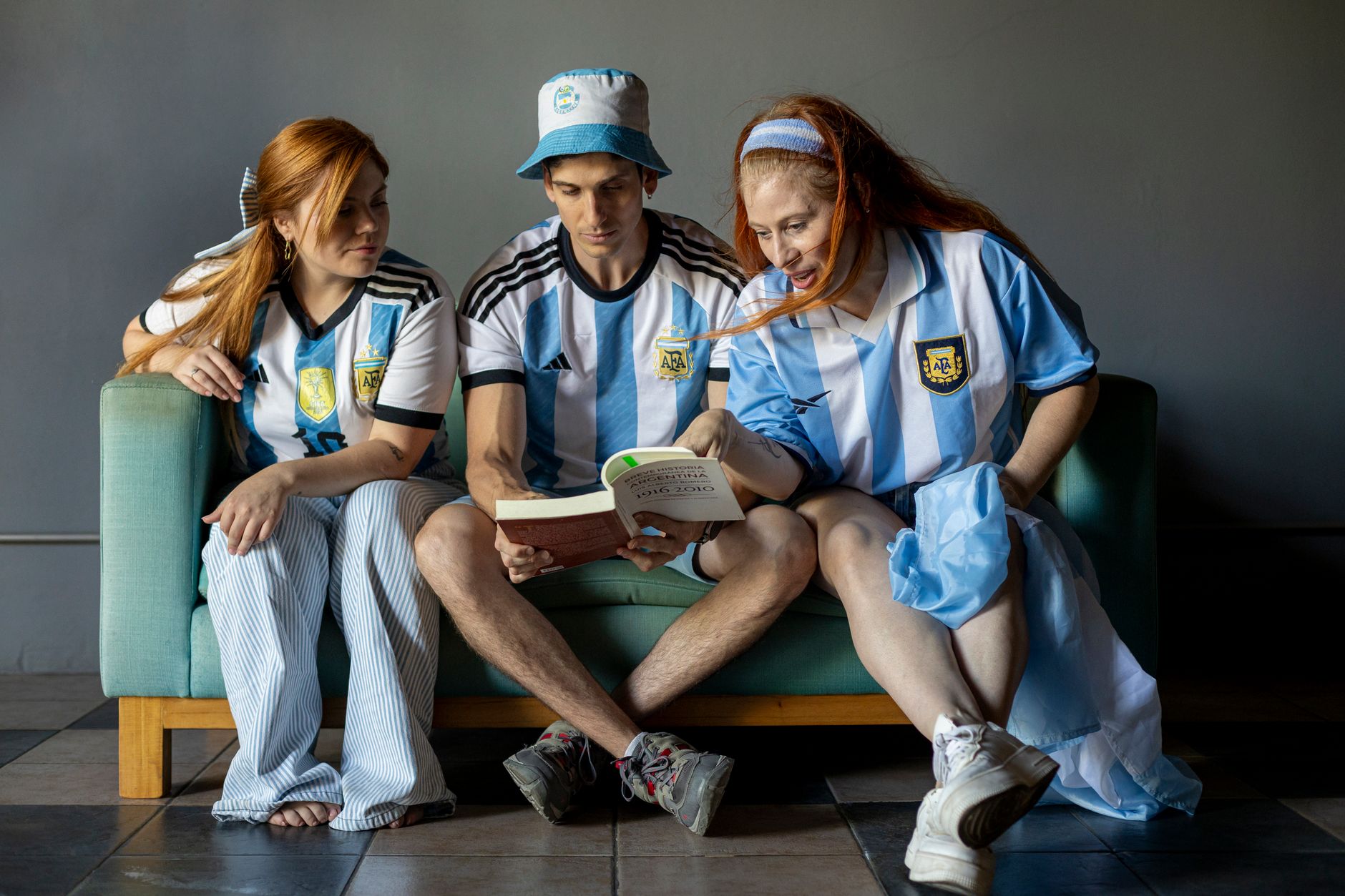
Photo by Diego Fioravanti on Pexels
#1 Los Angeles: Why Is It the Best Overall Football World Cup Experience?
Los Angeles is the best overall 2026 football world cup host experience because it combines eight SoFi Stadium matches with 39 days of organized fan activity, including the FIFA Fan Festival at the LA Memorial Coliseum. The city offers the strongest mix of high-profile football, entertainment, dining, and regional watch-party access.
Los Angeles has a measurable advantage: match density. The local program includes the United States Men’s National Team opening match at SoFi Stadium on June 12, according to the Los Angeles 2026 organizing information, alongside seven additional matches. The FIFA Fan Festival is scheduled at the LA Memorial Coliseum at Exposition Park, with live football, food, music, and public celebrations. Names such as Steve Aoki, Normani, Los Lobos, Capital Cities, and Deorro appear in the published entertainment plans, but remember the crucial distinction: a fan festival is not the same as a stadium ticket.
For match analysis, SoFi Stadium presents a different environment from traditional open-air football grounds. The venue is an enclosed, modern NFL facility in Inglewood, California, and its climate control may reduce weather-related variance. That does not eliminate uncertainty. Time-zone adjustment, international travel, surface familiarity, and the compressed schedule can still influence pressing intensity and second-half performance. My practical rule is to record each team’s previous venue, arrival date, and rest period before assessing totals or handicaps.
The contrarian point is simple: Los Angeles may be the best city for fans, but it is not automatically the best city for every wager. Hotel inflation and transport delays can alter a bettor’s schedule, while late team news can move odds sharply. Keep a separate ledger for ticket costs, accommodation, travel, deposits, rebates, and net betting exposure. “Free entertainment” becomes remarkably expensive when you repeatedly chase losses.
See the local matchday details before assuming the city is easy to navigate.
What Should You Track in Los Angeles?
Track venue access, transport time, kickoff conversion, fan-zone capacity, and total trip cost rather than relying on promotional slogans. SoFi Stadium is in Inglewood, while the LA Memorial Coliseum is in Exposition Park, so a visitor attending both may face different routes, parking conditions, and crowd-control procedures.
A robust Los Angeles plan should include:
- Match schedule: Confirm the opponent, date, kickoff time, and stadium through official sources.
- Transport buffer: Allow additional time for road congestion around Inglewood and Exposition Park.
- Event separation: Check whether an activity is a FIFA Fan Festival, an official fan zone, or a private watch party.
- Budget control: Set a fixed ceiling for tickets, hotels, meals, transport, and betting capital.
- Evidence log: Record injuries, expected lineups, travel distance, weather, and market movement.
According to Los Angeles Football World Cup 2026, the city’s plan centers on eight matches and 39 days of celebrations. The phrase “one unforgettable summer” is useful marketing, not analysis. Your job is to convert the experience into verifiable dates, locations, and costs.
#2 Mexico City: Is It the Best Host City for Atmosphere?
Mexico City is the strongest host city for atmosphere because Estadio Azteca combines World Cup history, a deep football culture, and a venue recognized by supporters worldwide. It is the emotional choice, although altitude, traffic, and accommodation demand require more careful planning than many visitors expect.
Estadio Azteca has hosted the FIFA World Cup final in 1970 and 1986, making Mexico City uniquely important in tournament history. The venue’s legacy gives the city an advantage that cannot be manufactured by a temporary concert lineup. Mexico will co-host the 2026 tournament with the United States and Canada, and the opening match is scheduled in Mexico City on June 11, creating a major early-tournament focal point.
However, romance is not a risk-management strategy. Mexico City sits at approximately 2,240 metres above sea level, and visitors or teams may experience adaptation issues, particularly when combined with heat, disrupted sleep, or aggressive pressing demands. Altitude does not guarantee a high-scoring match or a home advantage strong enough to justify any price. Compare historical performance, current squads, tactical styles, and market numbers instead of repeating lazy claims about “altitude magic.”
A useful information edge appears in scheduling. If a team arrives from a low-altitude location shortly before a Mexico City fixture, its ability to sustain repeated sprints may matter more after halftime than during the opening 20 minutes. That is not a guaranteed betting signal; it is a variable that should be paired with substitutions, possession strategy, and the coach’s preferred pressing line. Examine [Internal Link: team fatigue and travel analysis] before assigning a probability.
Mexico City is therefore the best choice for supporters who value history and atmosphere above convenience. It ranks below Los Angeles overall because the practical costs and adaptation variables are harder to control. The prudent visitor reserves accommodation early, uses official venue instructions, and avoids assuming that every public viewing area has identical entry rules.
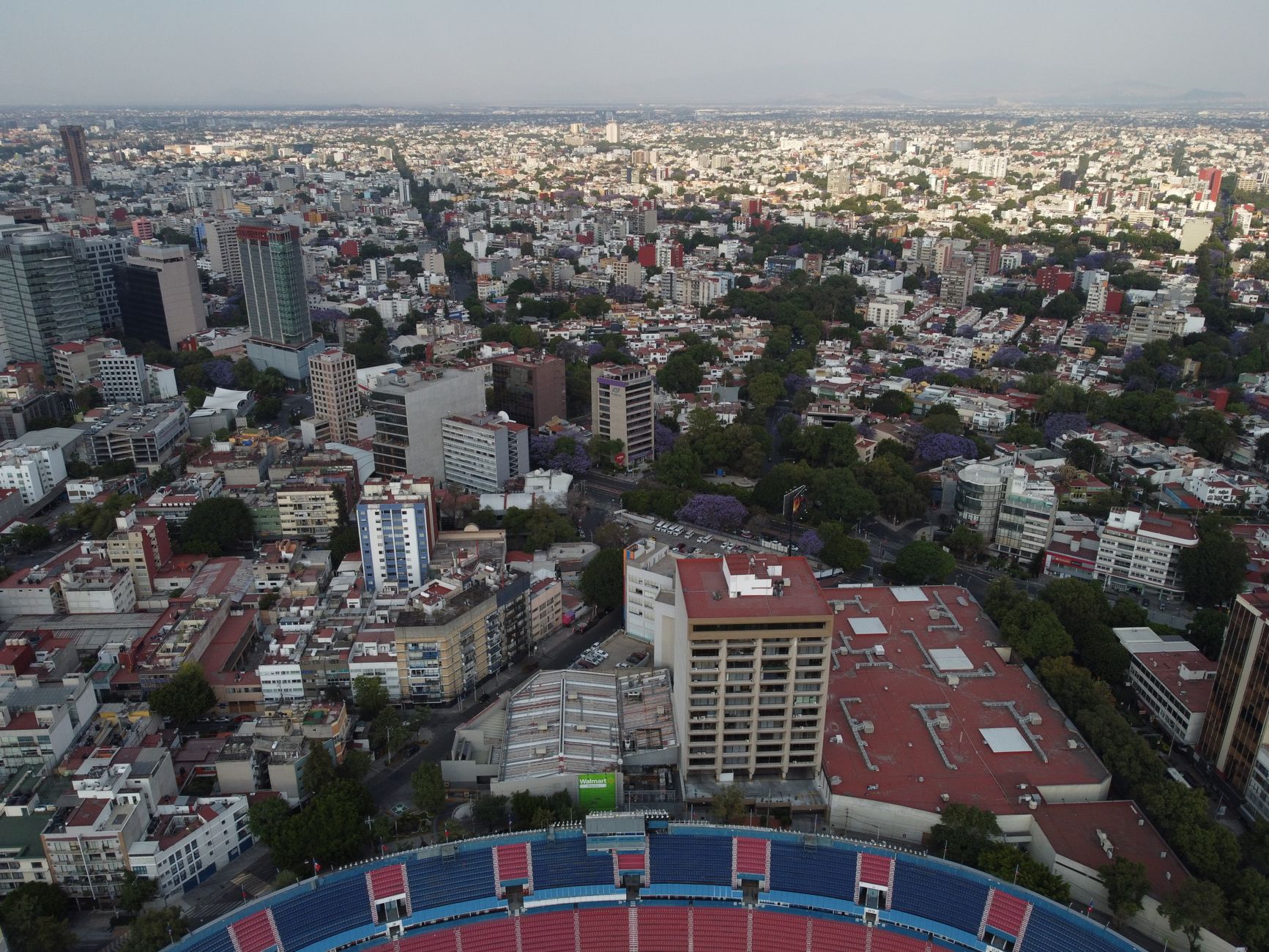
Photo by Israel Torres on Pexels
#3 Toronto: Why Is It the Best-Value Football World Cup Option?
Toronto ranks third and offers the best-value option for visitors who want a major-city World Cup experience without building an itinerary around multiple countries. Its concentrated urban infrastructure, Canadian host status, and access to public transport can reduce logistical complexity, although hotel pricing and currency conversion still require strict budgeting.
Toronto’s value is operational rather than glamorous. A visitor can potentially stay in one metropolitan area, use established transit connections, and combine a stadium match with public viewing, restaurants, and cultural events. Canada is one of the three 2026 host nations, alongside Mexico and the United States, so Toronto provides national-host relevance without requiring a cross-border travel plan for every match.
That said, “value” must be measured as net cost. Calculate the full amount in Canadian dollars, then convert it to your home currency and include taxes, service fees, transport, meals, insurance, and exchange-rate spread. A cheap headline hotel rate can become a poor deal after mandatory fees. The same principle applies to betting: a promotional rebate is not profit until wagering conditions, withdrawal rules, and actual turnover are completed.
World Cup Hub’s practical recommendation is to compare Toronto with one other city using a fixed worksheet. Score each option for accommodation, transport, match access, food, and entertainment, then apply the same assumptions to both. In one useful edge case, a traveller attending two matches within 72 hours may save more through a single-city itinerary than through a cheaper flight between cities, because baggage fees, airport transfers, and missed-work costs compound quickly. Most competing guides ignore that calculation.
For a cautious supporter, Toronto may be the rational pick. For a fan seeking the largest possible program, Los Angeles remains superior. For historical atmosphere, Mexico City wins. Stop pretending one answer serves everyone; your budget and match priorities decide the result.
Get a clearer comparison before booking a multi-city trip.
How Did We Rank the Top Football World Cup Experiences?
We ranked the three experiences using five weighted criteria: match access at 30%, transport practicality at 20%, football atmosphere at 20%, total-value potential at 20%, and fan programming at 10%. Los Angeles scored highest overall because eight matches and extensive events outweighed its traffic and accommodation risks.
The scoring method is deliberately transparent:
- Match access, 30%: Number of matches, venue significance, and likelihood of seeing major teams.
- Transport practicality, 20%: Airport links, city mobility, venue distance, and cross-border requirements.
- Football atmosphere, 20%: Supporter culture, stadium history, local engagement, and matchday identity.
- Total value, 20%: Accommodation, travel, food, fees, and the opportunity cost of time.
- Fan programming, 10%: FIFA Fan Festival activity, official fan zones, music, and public viewing.
The methodology also separates experience quality from betting value. FIFA, ESPN, local organizers, and reputable media can provide schedules and tournament reporting, but no “official” source can promise a winning prediction. The ESPN FIFA World Cup schedule is useful for fixture tracking, while FIFA’s tournament regulations should be consulted for formal competition information. FIFA’s own public communications repeatedly describe the 2026 event as an expanded 48-team competition; the number matters because group-stage dynamics and qualification incentives change.
A further risk is data timing. Match schedules, ticketing procedures, transport advice, and entertainment programs may be updated separately. Save the publication date of each source, check whether a page refers to “planned” or “confirmed” information, and never treat a social media graphic as final. As the U.S. Department of Transportation reminds travellers through its consumer guidance, “know your rights” before paying for travel services; that principle applies here even when the event branding looks reassuring.
Which Football World Cup Experience Should You Pick?
Choose Los Angeles for the broadest 2026 program, Mexico City for historic atmosphere, and Toronto for a potentially more manageable single-city budget. The correct choice depends on whether your priority is match volume, cultural intensity, or controlled logistics—not on which destination produces the most attractive promotional video.
Use this decision table:
- Choose Los Angeles if you want eight matches, SoFi Stadium, the LA Memorial Coliseum, and extensive fan programming.
- Choose Mexico City if Estadio Azteca history and Mexican football culture matter more than convenience.
- Choose Toronto if you prefer a concentrated itinerary and want to compare costs without repeatedly crossing borders.
- Choose a betting-focused plan only after verifying fixtures, lineups, travel, rest days, market liquidity, and legal access in your jurisdiction.
World Cup Hub is designed for that final category: it covers match predictions, tactical structures, player statistics, and daily 2026 World Cup developments. Use its analysis as research, not as a substitute for your own limits. A disciplined bettor should decide stake size before kickoff, track turnover and rebates separately, and calculate net position after every result. If you cannot explain your exposure in one sentence, your exposure is already too high.
The strongest overall verdict remains Los Angeles. Eight matches create repeated opportunities for supporters, while the 39-day program gives the city unusual depth. But the best financial decision may be Toronto, and the best emotional decision may be Mexico City. There is no contradiction unless you confuse entertainment ranking with investment logic.
Review the latest World Cup Hub coverage and make your plan with current information.
Photo by Kindel Media on Pexels
Frequently Asked Questions
Q: What is the 2026 FIFA World Cup?
A: The 2026 FIFA World Cup is a 48-team men’s international football tournament hosted by Canada, Mexico, and the United States. It is scheduled to run from June 11 to July 19, 2026, with 104 matches across 16 venues. The expanded format changes the number of fixtures and creates more variables involving travel, rest, squad rotation, and qualification incentives.
Q: How do I choose the best football world cup host city?
A: Choose a host city by matching your priority to verified match access, transport, atmosphere, total cost, and fan programming. Los Angeles is strongest overall with eight matches, Mexico City leads for stadium history and atmosphere, and Toronto may offer the most manageable single-city plan. Confirm schedules and venue instructions through FIFA and local organizing authorities before paying.
Q: What is the difference between the Los Angeles and Mexico City World Cup experiences?
A: Los Angeles emphasizes match volume and large-scale entertainment, while Mexico City emphasizes football history and stadium atmosphere. Los Angeles includes eight SoFi Stadium matches and a FIFA Fan Festival at the LA Memorial Coliseum; Mexico City offers the historic Estadio Azteca. Travel convenience, altitude, traffic, and accommodation prices should determine your practical choice.
Q: Is Toronto a good-value destination for the 2026 World Cup?
A: Toronto can be good value for travellers who prefer one urban base and established transport options. Its financial advantage depends on hotel prices, Canadian-dollar exchange rates, taxes, service charges, stadium access, and meal costs. Compare the complete itinerary against Los Angeles and Mexico City rather than judging value from a single room or ticket price.
Q: How should I analyse a 2026 World Cup match before betting?
A: Analyse confirmed lineups, injuries, rest days, travel distance, venue conditions, tactical matchup, market price, and legal betting availability. Record your stake before kickoff and calculate turnover, rebates, winnings, and losses in a single ledger. World Cup Hub can provide predictions and tactical context, but no source can remove uncertainty or guarantee a result.
Q: What should I do if a World Cup schedule or event page changes?
A: Recheck FIFA, the local organizing committee, the stadium, and your travel provider before relying on the information. Save screenshots or booking records showing the original date, then review refund, transfer, and cancellation terms. Do not assume a fan-zone announcement confirms stadium entry, because public events, ticketed matches, and private watch parties follow different rules.
Q: How much should I budget for a football world cup trip?
A: Set a total budget covering tickets, accommodation, transport, meals, insurance, currency fees, and emergency reserves before booking. There is no universal 2026 price because city, match category, travel dates, and hotel demand create major differences. Keep betting funds separate from travel money, establish a maximum loss in advance, and never use essential spending to chase a result.