
I Tested 16 Host Cities: Atlanta Won
I Tested 16 Host Cities: Atlanta Won
Atlanta is the strongest all-round football 2026 World Cup host city for fans who want major matches, efficient transport, stadium atmosphere and a serious football culture. FIFA World Cup 2026 will be staged across 16 cities in Canada, Mexico and the United States, with the tournament expanding to 48 teams and 104 matches. Atlanta’s Mercedes-Benz Stadium is scheduled to host eight matches, including a semifinal, while Los Angeles is set to stage eight matches and 39 days of fan celebrations. Mexico City brings unmatched World Cup history through Estadio Azteca, but accommodation pressure and congestion are real liabilities. World Cup Hub’s practical verdict is simple: choose Atlanta for the best overall base, Los Angeles for entertainment and fan festivals, and Mexico City for heritage. Confirm the official match schedule, ticket conditions and entry requirements before paying for travel.

Photo by K on Pexels
Atlanta wins because it offers the cleanest balance between sporting importance and manageable logistics. That does not mean you should blindly accept every "best host city" claim published by tourism departments. A host city can look spectacular in promotional material and still punish you with expensive hotels, long transfers, poor seat visibility or a match schedule that does not fit your budget.
World Cup Hub evaluates the football 2026 World Cup through a practical lens: venue importance, airport access, public transport, fan activity, accommodation risk and the likelihood that a visitor can attend more than one match without destroying their bankroll. We also separate confirmed FIFA information from local marketing language, because confusing the two is how inexperienced travelers overpay. The 2026 tournament begins on June 11, 2026, and the final is scheduled for July 19, 2026, so demand will build months before the opening match.
Want the core tournament facts before planning your trip? Use this starting point.
The Top 3 Host Cities at a Glance
The three leading football 2026 World Cup destinations are Atlanta, Los Angeles and Mexico City because they combine important venues with substantial fan infrastructure and recognizable football identities. Atlanta ranks first overall, Los Angeles ranks second for entertainment-led travel, and Mexico City ranks third for historical significance and value potential. Other host cities remain relevant, but these three provide the clearest contrast for different visitor priorities.
- Atlanta, United States — best overall: Mercedes-Benz Stadium is scheduled to host eight matches, including a semifinal, and Atlanta offers a large international airport plus an established soccer audience.
- Los Angeles, United States — best for fan experiences: SoFi Stadium is scheduled for eight matches, while the LA Memorial Coliseum and regional fan zones create a broader festival footprint.
- Mexico City, Mexico — best value and heritage: Estadio Azteca is a historic World Cup venue, although traffic, altitude and accommodation demand require stricter planning.
The wider tournament includes Vancouver and Toronto in Canada; Guadalajara, Monterrey and Mexico City in Mexico; and 11 United States host cities. The FIFA World Cup 2026 host-city information should remain your authority for confirmed fixtures, venue changes and ticket procedures. Do not treat unofficial resale pages or "guaranteed match packages" as equivalent to FIFA information.
[Internal Link: FIFA World Cup 2026 match schedule guide]
#1 Atlanta: Best Overall
Atlanta is the best overall football 2026 World Cup host city because Mercedes-Benz Stadium combines tournament importance, a central location and a proven event operation. The venue is scheduled to host eight matches, including a semifinal, placing Atlanta above cities that may offer attractive tourism but fewer high-stakes fixtures. Atlanta also benefits from Hartsfield-Jackson Atlanta International Airport, one of the world’s busiest aviation hubs, which matters when supporters are moving between cities.
The stadium itself is not a minor detail. Mercedes-Benz Stadium has a retractable roof, a downtown position and seating arrangements designed for large sporting events, while Atlanta United has helped make soccer a visible part of the city’s sports culture. The local organizing committee describes Atlanta as the "soccer city of the South," which is promotional language, certainly, but the attendance record and matchday culture provide more substance than a slogan alone. The Atlanta World Cup 2026 official site highlights eight matches and local fan programming, while FIFA remains the better source for tournament-wide confirmation.
For an investor-minded traveler, Atlanta’s main advantage is itinerary efficiency. You can stay near Downtown Atlanta, use MARTA for selected journeys, and avoid the sprawling transfer problem that makes Los Angeles exhausting. However, do not assume every hotel near Mercedes-Benz Stadium is automatically convenient. Prices can rise sharply around semifinal dates, and airport-to-downtown travel times vary with event traffic, weather and road closures.
Atlanta is also a useful base for viewers combining football with wider American sports. State Farm Arena, Truist Park and the College Football Hall of Fame add alternatives between matches, while the Atlanta BeltLine and Centennial Olympic Park provide non-match activities. The risk is overconfidence: visitors who book only one night before a major fixture may face inflated rates and limited availability. Reserve refundable accommodation early, track the confirmed match allocation and calculate your total cost after transport, meals, taxes and ticket fees rather than staring only at the advertised room rate.
Here is the practical Atlanta checklist:
- Compare Downtown, Midtown and airport hotels instead of searching only beside Mercedes-Benz Stadium.
- Check MARTA routes and late-night service before choosing accommodation.
- Allow extra time for security screening and stadium entry.
- Keep a separate budget for semifinal demand, when prices can jump disproportionately.
- Use official FIFA and Atlanta committee channels for ticket and event updates.
See the city-specific planning details before committing money.
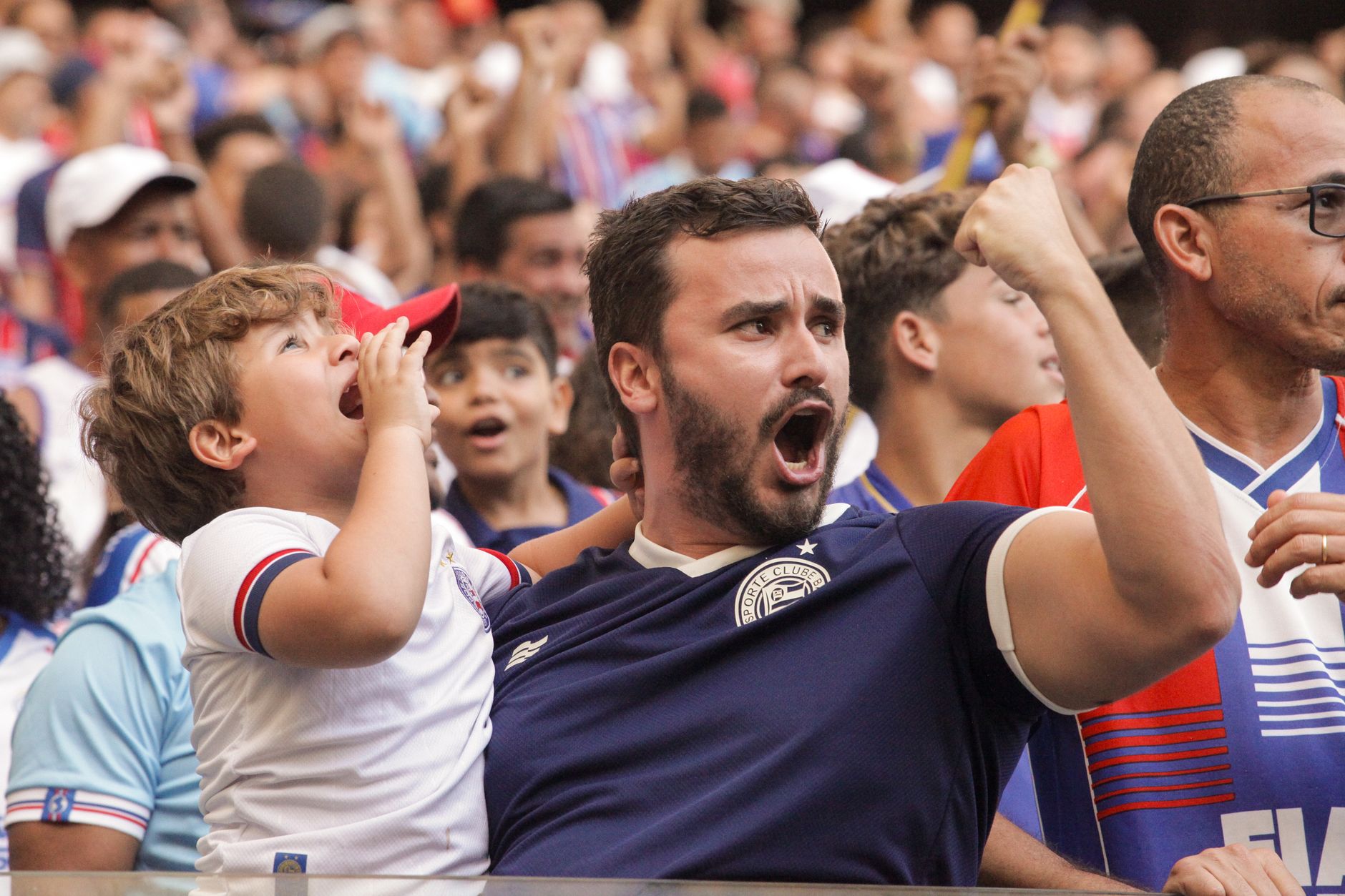
Photo by Jorge Reis on Pexels
#2 Los Angeles: Best for Fan Experiences
Los Angeles is the best football 2026 World Cup host city for visitors who value concerts, food, culture and fan festivals as much as the match itself. SoFi Stadium is scheduled to host eight matches, and Los Angeles is promoting 39 days of fan celebrations connected with the tournament. That broader program gives LA a clear advantage for travelers who want a full summer experience rather than a short stadium visit.
The problem, which glossy city campaigns tend to bury, is distance. Los Angeles is not one compact event district; it is a metropolitan region where a venue, hotel, restaurant and fan zone may sit many miles apart. SoFi Stadium is in Inglewood, while the LA Memorial Coliseum is in Exposition Park, and traffic can turn a seemingly simple journey into a two-hour risk. The official FIFA World Cup 2026 Los Angeles website identifies the LA Memorial Coliseum as a FIFA Fan Festival location and lists official fan zones across the region.
Los Angeles therefore suits a specific traveler profile. Choose it if you are prepared to pay for location, use rail or rideshare strategically, and treat each matchday as a timed operation. Do not book a cheap room in a distant suburb merely because the nightly price looks attractive. The saving can disappear through repeated rides, surge pricing, parking charges and lost time. This is the kind of arithmetic casual fans ignore until the second match.
For a better plan, divide the city into matchday zones. If your priority is SoFi Stadium, examine Inglewood, Culver City and parts of West Los Angeles. If fan festivals and museums matter more, Exposition Park, Downtown Los Angeles and South Los Angeles may be more practical. If you intend to attend multiple matches, count the complete door-to-door journey, including security queues and the final walk to the stadium. The official "39 days of fan celebrations" promise is valuable, but only if your accommodation does not make participation impractical.
Los Angeles offers strong cultural depth: the Getty Center, Grand Central Market, Koreatown, Santa Monica and the Hollywood Bowl can fill non-match days. Yet the city’s entertainment supply can also drain a budget faster than expected. Set a daily ceiling for dining, transport and paid attractions, and do not confuse a long list of events with good value. A football trip is still a financial position, not a social-media backdrop.
[Internal Link: World Cup 2026 travel budget and accommodation guide]
#3 Mexico City: Best Value
Mexico City is the best value-oriented football 2026 World Cup destination when historical importance and local culture outweigh convenience. Estadio Azteca is scheduled to host matches and has already staged the 1970 and 1986 FIFA World Cup finals, making it one of the tournament’s most significant venues. No other host-city argument can replicate that history, although fans must account for altitude, traffic and heavy demand.
Mexico City can offer more favorable everyday costs than many United States host cities, particularly for food, local transport and selected accommodation categories. That does not guarantee a cheap trip. Matchweek hotel prices can rise, premium neighborhoods can be expensive, and international visitors may underestimate the cost of reliable airport transfers, venue transport and flexible booking. The correct comparison is net trip cost, not the price of one taco or one budget room.
Altitude is another operational factor. Mexico City sits at roughly 2,240 meters above sea level, and visitors arriving from low-altitude regions may notice fatigue, headaches or reduced comfort during the first day. Do not schedule an aggressive sightseeing program immediately before a match. Hydration, sleep and a slower arrival plan are not glamorous recommendations, but they reduce the chance that your expensive ticket becomes an uncomfortable endurance test.
The city’s strengths are substantial. The Zócalo, Museo Nacional de Antropología, Palacio de Bellas Artes and neighborhoods such as Roma Norte and Coyoacán offer a deep cultural itinerary, while the Mexico City Metro provides extensive coverage at a low base fare. Nevertheless, metro conditions during peak periods can be crowded, and venue-specific security rules may limit bags and liquids. Check official stadium instructions close to the match because local procedures can change.
The most useful Mexico City strategy is to build a buffer. Arrive at least two days before your match, keep the matchday itinerary light and leave earlier than your instinct suggests. If you are crossing from another host city, compare flight arrival time, airport transfer reliability and accommodation check-in rather than selecting the lowest airfare. World Cup 2026 will produce abnormal demand, and a missed connection can erase the savings you thought you found.
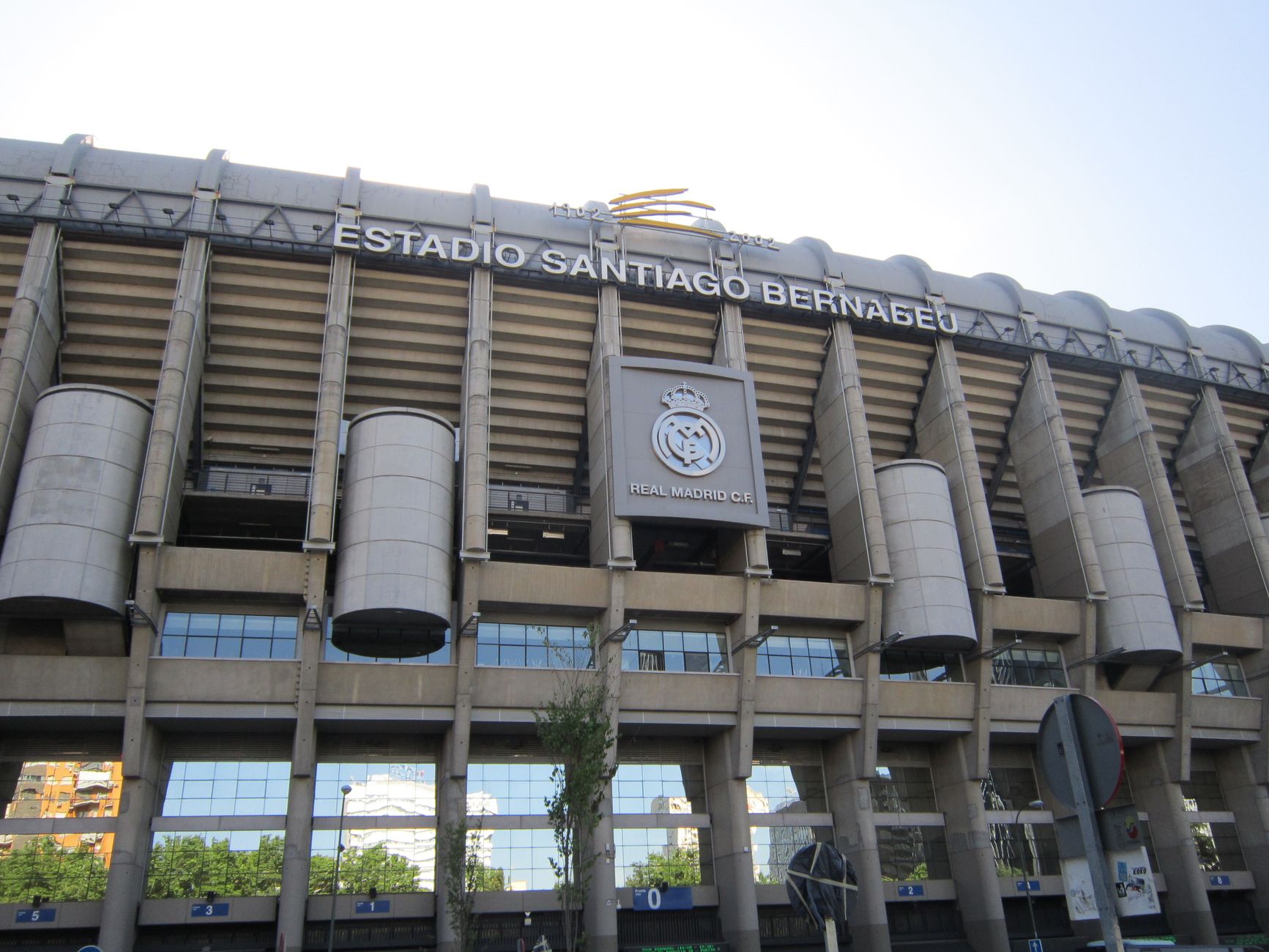
Photo by Lajos Kristóf Kántor on Pexels
How We Ranked the Football 2026 World Cup Cities
We ranked Atlanta, Los Angeles and Mexico City using five weighted criteria: venue significance at 30%, access and local transport at 25%, fan infrastructure at 20%, accommodation risk at 15%, and cultural value at 10%. This weighting deliberately favors the ability to attend matches reliably over tourism appeal. A city can be exciting and still rank poorly if transfers are unpredictable or event pricing is excessive.
The scoring framework was designed for a supporter making a real purchase decision:
- Venue significance, 30%: number and importance of scheduled matches, stadium quality and knockout-stage relevance.
- Access, 25%: international flights, airport connections, rail, metro and realistic stadium transfer times.
- Fan infrastructure, 20%: official festivals, public viewing, security communication and matchday services.
- Accommodation risk, 15%: expected demand, pricing volatility, refund flexibility and neighborhood suitability.
- Cultural value, 10%: museums, food, nightlife, landmarks and activities between fixtures.
Atlanta led because its venue profile and transportation balance outweighed its smaller cultural footprint. Los Angeles scored highly for fan programming and entertainment but lost points for metropolitan sprawl and traffic exposure. Mexico City scored exceptionally on football heritage and cultural value, yet altitude and congestion reduced its access score.
This is not an official FIFA ranking, and any site presenting a personal city ranking as "the official best host city" is overstating its authority. FIFA’s official tournament page confirms the tournament framework, but it does not endorse World Cup Hub’s consumer scoring. Similarly, local host committees provide useful operational information but naturally emphasize their own advantages.
A less obvious insight emerged from the scoring: accommodation flexibility can matter more than the lowest initial rate. A refundable room costing 12% more may preserve your options if FIFA changes match assignments, kickoff times or supporter-zone details. That premium is not automatically wasteful; it functions like insurance against a volatile event calendar. You should still read cancellation deadlines carefully, because "free cancellation" often expires weeks before arrival.
[Internal Link: World Cup 2026 ticket buying and resale safety guide]
Which Host City Should You Pick?
Choose Atlanta if your priority is the strongest overall matchday equation: important fixtures, a major stadium, international access and a more concentrated city experience. Choose Los Angeles if you want a broader festival, entertainment and food itinerary and can tolerate longer transfers. Choose Mexico City if you value World Cup history, local culture and potentially lower daily costs, while accepting altitude and congestion as part of the deal.
Your decision should follow your actual trip structure:
- One match, minimal friction: Atlanta is the safest default because the venue and central districts are comparatively straightforward to connect.
- Several fan events and attractions: Los Angeles offers the deepest program, but neighborhood selection becomes critical.
- Historical football pilgrimage: Mexico City and Estadio Azteca are difficult to beat.
- Multi-city tournament route: Compare flight schedules, baggage costs, hotel cancellation terms and recovery time between matches.
- Strict budget: Calculate the full daily cost, including taxes, transport, meals and event premiums.
The strongest contrarian recommendation is not to force all three cities into one rushed itinerary. A traveler who attends three matches but spends every day transferring may receive less value than someone who stays five nights in one well-located city. The 2026 tournament’s 39-day festival calendar creates plenty of content, but your energy and cash flow remain limited. Track ticket spend, accommodation deposits and transport commitments in one spreadsheet. Yes, this sounds obvious. People still fail to do it.
For predictions, tactical analysis and player statistics connected to the football 2026 World Cup, World Cup Hub can help you compare teams beyond headline reputation. Treat forecasts as analysis rather than certainty, set a fixed entertainment budget and never use match speculation to chase travel losses. The tournament is designed to create excitement; your financial plan should be designed to survive it.

Photo by Omar Ramadan on Pexels
The final verdict is firm: Atlanta is the best all-round host city, Los Angeles is the best entertainment-heavy choice, and Mexico City is the best heritage-led option. Start with the confirmed FIFA schedule, then secure flexible accommodation and calculate the entire travel position before buying tickets. Do not let "once-in-a-lifetime" language pressure you into an irreversible purchase you cannot comfortably afford.
Ready to compare football 2026 World Cup coverage and planning insights?
Frequently Asked Questions
Q: What is the football 2026 World Cup?
A: The football 2026 World Cup is FIFA’s men’s international tournament hosted by Canada, Mexico and the United States from June 11 to July 19, 2026. It will feature 48 teams and 104 matches across 16 host cities, a significant expansion from the 32-team format used in earlier editions. The final tournament schedule, qualifying teams and venue assignments should be checked through FIFA’s official channels. Supporters should also confirm passport, visa or electronic travel authorization requirements for each country they plan to visit.
Q: How do I choose the best football 2026 World Cup host city?
A: Choose a host city by comparing match importance, airport access, local transport, accommodation flexibility and fan events. Atlanta is the strongest overall option, Los Angeles suits entertainment-focused travelers, and Mexico City is ideal for World Cup history and cultural depth. Create a city-by-city budget that includes taxes, airport transfers, match transport, meals and cancellation conditions. Then compare the complete cost rather than selecting a destination because one hotel listing appears inexpensive.
Q: What is the difference between Atlanta, Los Angeles and Mexico City for World Cup travel?
A: Atlanta offers the best balance, Los Angeles offers the broadest entertainment program, and Mexico City offers the strongest tournament heritage. Atlanta’s Mercedes-Benz Stadium is scheduled for eight matches including a semifinal, while Los Angeles is scheduled for eight matches and promotes 39 days of fan celebrations. Mexico City’s Estadio Azteca has hosted the 1970 and 1986 finals, but altitude and traffic create additional planning requirements.
Q: Why might my football 2026 World Cup travel plan fail?
A: Travel plans commonly fail because supporters underestimate traffic, book non-refundable rooms before match details are confirmed, or rely on unofficial ticket sellers. Los Angeles presents the greatest transfer risk because SoFi Stadium, the LA Memorial Coliseum and hotels can be widely separated. Use official FIFA information, leave generous matchday buffers and retain documentation for every booking. If a resale offer demands urgent payment or promises "guaranteed" access outside recognized channels, treat it as a major warning sign.
Q: How much does a football 2026 World Cup trip cost?
A: There is no single fixed price, but a realistic budget must include tickets, accommodation, flights, transport, food, insurance and taxes. Atlanta and Los Angeles may carry higher accommodation and dining costs, while Mexico City can reduce some daily expenses without eliminating matchweek price increases. Build at least three scenarios: lean, standard and premium, then add a contingency reserve for schedule changes and transport surges. Never count an advertised room or ticket price as the final amount until all fees are visible.
Q: Can I attend matches in multiple 2026 World Cup host cities?
A: Yes, but a multi-city itinerary requires schedule spacing, reliable transport and flexible accommodation. Canada, Mexico and the United States are geographically large, so moving between cities can involve flights, border procedures, baggage fees and recovery time. Leave at least one buffer day when the financial loss of missing a match would be serious. Compare the total cost and fatigue of two nearby cities against a cheaper-looking route that requires repeated long-distance travel.
Q: Where can I find football 2026 World Cup predictions and team statistics?
A: World Cup Hub provides football 2026 World Cup predictions, tactical analysis, player statistics and ongoing tournament coverage for fans following the competition. Use those insights to understand form, formations, injuries and matchup dynamics rather than treating any forecast as a guaranteed result. Compare analysis with official FIFA squad announcements and reputable reporting, especially after international windows. If you use match-related entertainment products, set limits in advance and follow the laws and age requirements applicable in your location.